
Bay Area NEM 3.0 Guide (2026): Is Solar Still Worth It for Homeowners?
July 8, 2026
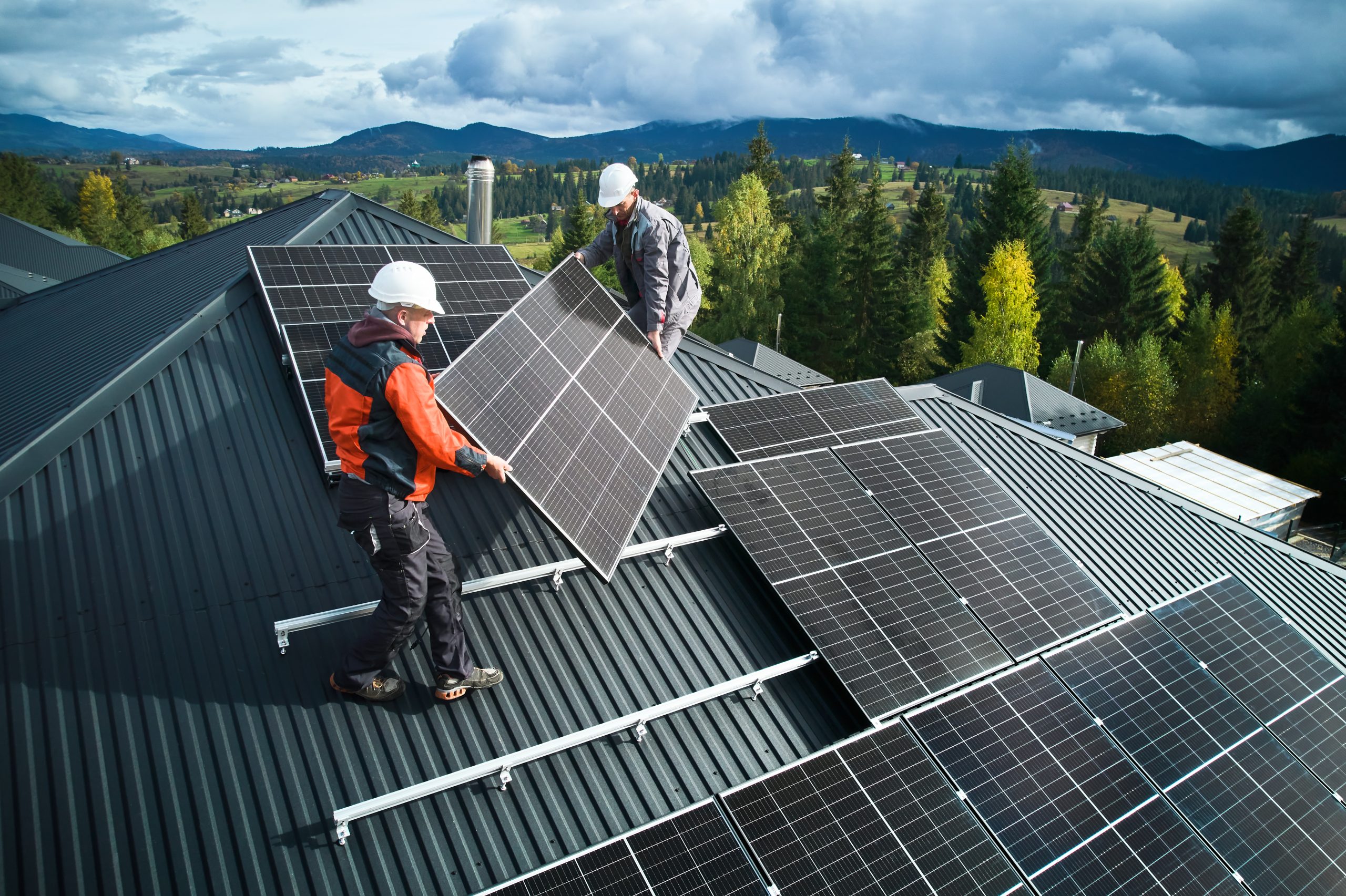
California’s energy landscape has changed dramatically over the last few years, and if you’re a Bay Area homeowner considering solar, battery storage, or an electrical service upgrade, understanding NEM 3.0 is more important than ever.
The California Public Utilities Commission (CPUC) replaced traditional Net Energy Metering (NEM 2.0) with the Net Billing Tariff, commonly known as NEM 3.0, which significantly changes how homeowners are credited for excess solar energy sent back to the grid. For homeowners in PG&E territory—including San Jose, Campbell, Los Gatos, Morgan Hill, Mountain View, Cupertino, and surrounding Bay Area communities—these changes can directly impact the financial return of a solar investment.
What Is NEM 3.0?
NEM 3.0, officially called the Net Billing Tariff (NBT), is California’s current solar compensation structure for new solar customers. Under previous programs, homeowners received near-retail electricity rates when exporting excess solar power to the grid. Under NEM 3.0, export credits are based on the utility’s avoided cost of energy, which is substantially lower.
Learn more about solar electrical upgrades:
CPUC Net Billing Tariff Information:
How NEM 3.0 Affects Bay Area Homeowners
For many Bay Area residents, especially PG&E customers, the biggest change is simple:
Exporting solar energy is worth significantly less than it used to be.
Industry analyses show export compensation rates have dropped by roughly 75% compared to NEM 2.0, making solar-only systems less financially attractive than they once were.
This means homeowners can no longer rely on sending excess daytime production back to the grid and receiving nearly equal value in return.
Instead, NEM 3.0 rewards homeowners who:
- Use solar energy while it is being generated
- Store excess energy in batteries
- Shift energy consumption away from peak utility pricing periods
- Reduce dependence on the utility grid during evening hours
Why Battery Storage Has Become More Important
Before NEM 3.0, the utility grid essentially acted like a giant battery.
Today, battery storage has become one of the most effective ways to maximize solar savings.
Instead of exporting excess daytime production for reduced compensation, homeowners can store that energy and use it during PG&E’s highest-priced evening hours, typically between 4 PM and 9 PM.
Benefits of pairing solar with battery storage include:
Lower Utility Bills
Stored solar energy can offset expensive Time-of-Use (TOU) rates.
Backup Power During Outages
Battery systems can provide critical backup power during planned PG&E shutoffs and emergency outages.
Greater Energy Independence
Homeowners rely less on fluctuating utility rates.
Improved Solar ROI
Many current solar projects achieve better economics when paired with battery storage than solar-only systems under NEM 3.0.
What About Existing Solar Customers?
Good news for homeowners who installed solar before April 15, 2023.
Most customers who qualified under NEM 1.0 or NEM 2.0 remain grandfathered into their existing agreements for up to 20 years from their interconnection date.
However, homeowners considering major system modifications, service upgrades, or battery additions should verify how changes could affect their current agreement.
⸻
NEM 3.0 and Electrical Panel Upgrades
One often-overlooked aspect of NEM 3.0 is the electrical infrastructure required to support modern energy systems.
Many Bay Area homes built before 2000 were never designed to support:
- Solar systems
- Battery storage
- EV chargers
- Heat pumps
- Electrified appliances
As more homeowners adopt these technologies, service panel upgrades are becoming increasingly common.
A panel upgrade may be necessary if:
- Your existing panel lacks available capacity
- You are adding battery storage
- You plan to install an EV charger
- Your current electrical service is outdated
Is Solar Still Worth It Under NEM 3.0?
Yes—but the strategy has changed.
Under NEM 2.0, homeowners often maximized solar production and exported excess energy.
Under NEM 3.0, the focus has shifted to:
- Maximizing self-consumption
- Adding battery storage
- Managing energy use intelligently
- Reducing peak-hour utility purchases
For Bay Area homeowners facing some of California’s highest electricity rates, solar and battery systems can still deliver substantial long-term savings when properly designed.
What Bay Area Homeowners Should Do Next
If you’re considering solar in 2026, it’s important to evaluate your home’s complete electrical system—not just the solar panels themselves.
A qualified electrician can help determine:
- Whether your panel can support solar and batteries
- If a service upgrade is required
- How battery storage may improve your return on investment
- Whether your home is prepared for future electrification needs
At Dollens Electric Corp., we help homeowners throughout San Jose, Campbell, Los Gatos, Cupertino, Mountain View, Morgan Hill, and surrounding Bay Area communities prepare their homes for the future of energy.
Whether you’re planning a solar installation, battery backup system, EV charger, or panel upgrade, our team can help ensure your electrical infrastructure is ready for California’s evolving energy landscape.
Thinking about solar, battery storage, or a panel upgrade?
Contact Dollens Electric Corp. today for a professional electrical assessment and discover how your home can maximize savings under California’s NEM 3.0 program.