
San Jose EV Charger Incentives (2026 Guide)
March 30, 2026
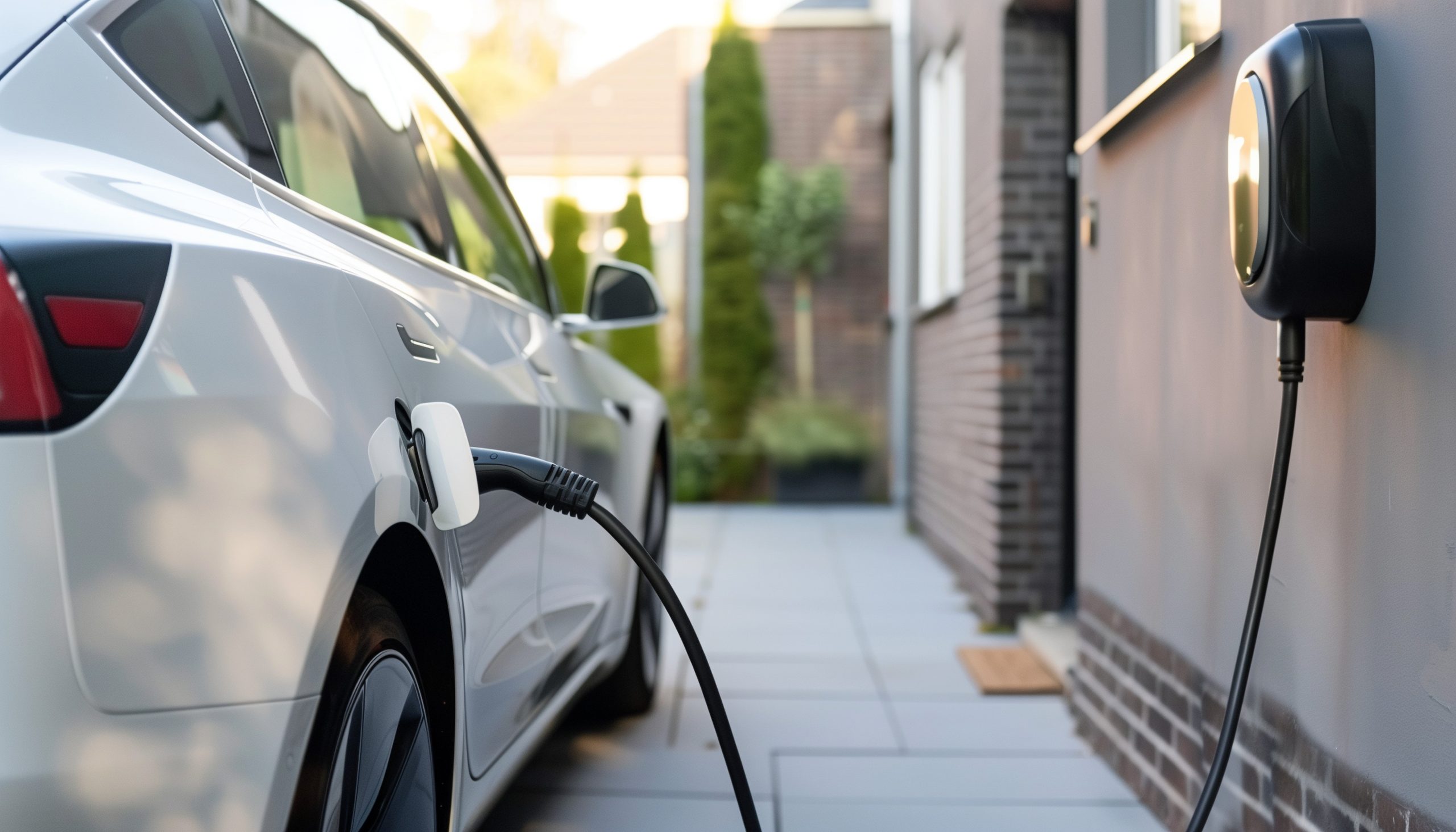
If you’re a homeownaer in San Jose or the South Bay, installing an EV charger isn’t just about convenience—it’s also about taking advantage of limited-time incentives and rebates.
At Dollens Electric Corp, we’re seeing a major shift:
- More homeowners are installing EV chargers
- More homes need panel upgrades
- And incentives are starting to expire
Here’s what you need to know in 2026.
Local EV Charger Rebates in San Jose & Bay Area
Homeowners in the Bay Area still have access to utility-based incentives, especially through PG&E Residential Charging Solutions Rebate.
PG&E EV Charger Rebates
- Up to 50% of charger cost covered (standard program)
- Up to 100% covered for income-qualified households
- Additional programs may offer around $700 for qualifying chargers
Important requirements:
- Must use approved charging equipment
- Installation must be done by a licensed electrician
- Applications must be submitted within 180 days of purchase
Our Insight:
This is why many homeowners are upgrading to Level 2 chargers now—they can offset a large portion of the cost while rebates are still active.
Additional Local Incentives
Depending on your utility or location:
- Some Bay Area programs have offered $500–$1,500+ rebates for charger installs
- Programs like Clean Cars for All can include up to $2,000 toward home charging for qualifying households
These incentives vary and can change quickly—another reason homeowners are acting now.
Federal EV Charger Tax Credit
One of the biggest opportunities right now is the federal:
Alternative Fuel Vehicle Refueling Property Credit (30C)
- Covers 30% of total installation cost
- Up to $1,000 per charger
- Includes equipment + labor + electrical work
Deadline:
- Must be installed and operational by June 30, 2026
Why this matters
- This tax credit is scheduled to expire early (mid-2026)
- Many homeowners don’t realize installation—not just purchase—must be completed
Why More San Jose Homes Need EV Charger Upgrades
Installing a charger isn’t always plug-and-play.
Most homes need:
- Dedicated 240V circuit
- Electrical panel capacity check
- Possible panel upgrade (100A → 200A)
More information on panel upgrade
With EV adoption rising across the Bay Area, home electrical systems are being pushed to their limits—especially in older homes.
Why Professional Installation Matters
Installing an EV charger involves:
- High electrical loads
- Code compliance (NEC + California Title 24)
- Permit requirements (in many cities)
Working with a licensed electrician ensures:
- Safe installation
- Proper load calculations
- Long-term reliability