Same-Day Electrical Repair Call Now. (408) 929-6100 • CSLB #867376 • Licensed & Insured • Lifetime Workmanship Guarantee
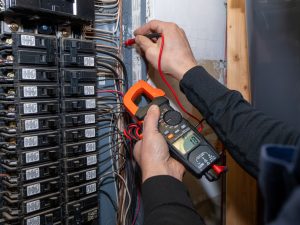
If you own a home or rental property in San Jose or anywhere in Santa Clara County, 2026 brings electrical changes that directly affect permits, inspections, insurance, and long-term safety.
Some updates are written into code.
Others are being enforced quietly in the field.
And several come with rebates that disappear if one detail is missed.
Here’s what matters — without scare tactics, sales fluff, or guesswork.
California jurisdictions are now enforcing updated standards tied to the 2025 National Electrical Code (NEC) and state energy policies. In practical terms, that means:
Stricter inspection enforcement
Less tolerance for aging or recalled equipment
Higher expectations for homes adding EVs, solar, or batteries
Many homes still “function,” but no longer pass.













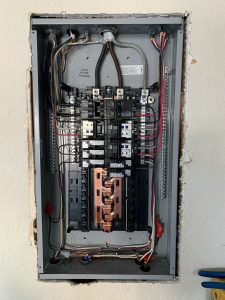 Panel issues are now one of the most common reasons projects fail inspection in San Jose.
Inspectors are flagging:
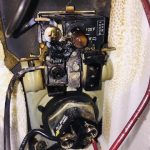
Recalled or obsolete panels (Zinsco, Federal Pacific, Challenger)
Overloaded 100-amp services
Double-tapped breakers and damaged bus bars
Panels that can’t support EVs, heat pumps, or battery systems
Even if nothing has tripped yet, inspectors are asking one question:
Can this system safely support today’s electrical demand?
If the answer is no, upgrades are being required.
👉 Learn more about panel safety and upgrades: main-electrical-panel-upgrades
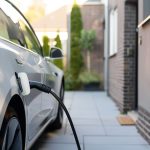
EV chargers are no longer treated as “simple add-ons.”

In 2026, San Jose inspectors are enforcing:
Full load calculations
Verified panel capacity for future EV expansion
Proper grounding, labeling, and disconnects
Coordination with utility requirements
Homes with older services are often required to upgrade before an EV charger is approved — especially for rentals and multi-vehicle households.
 EV charger installation details: ev-charger-installation-san-jose
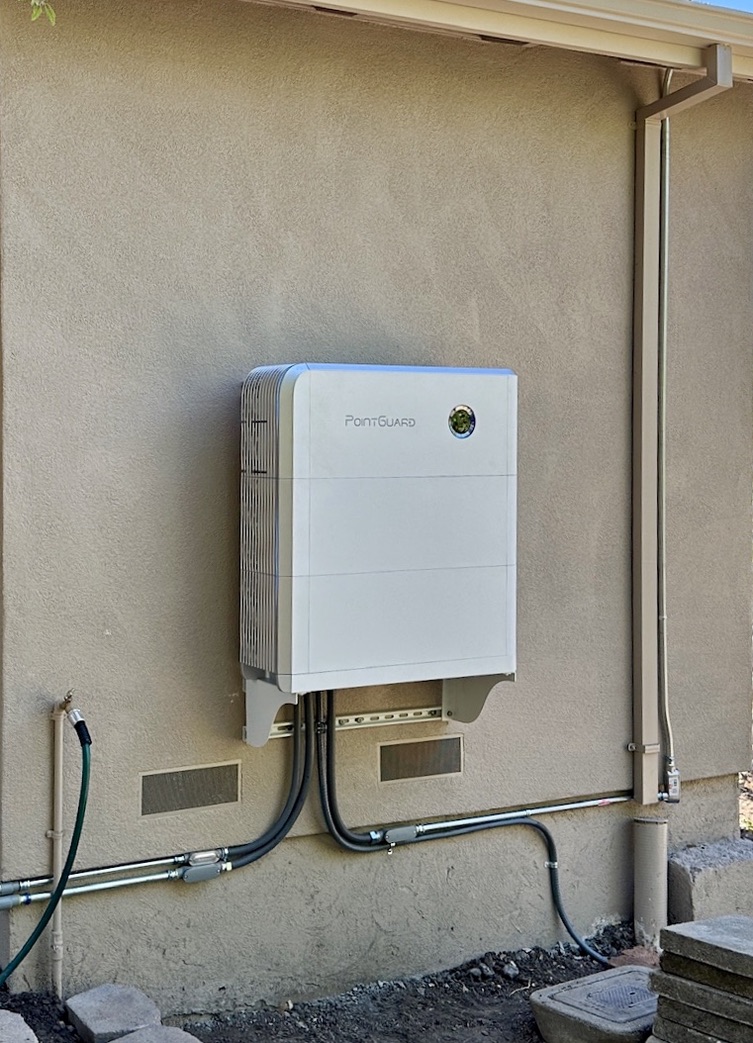
With grid reliability concerns increasing, more homeowners are adding battery storage or backup power. At the same time, enforcement has tightened.
What inspectors are checking more closely:
Separation of critical loads
Correct interconnection methods
Labeling and shut-off access
Battery placement and ventilation
Programs tied to Pacific Gas and Electric Company and state incentives now require fully compliant installations. Improper wiring can delay approvals or eliminate rebates altogether.
 Many homeowners don’t realize how easily an inspection requirement can be triggered.
Common triggers include:
Kitchen or bathroom remodels
Panel replacements
EV charger permits
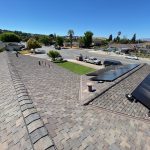
Solar or battery installations
Insurance or real-estate requests
Once triggered, inspectors evaluate the system as a whole, not just the new work.
That’s why unaddressed electrical issues are surfacing during otherwise routine projects.
👉 Schedule an Electrical Inspection Today: /electrical-inspections/
Several incentive programs remain active into 2026, including:
Electrification-linked panel upgrade rebates
Battery storage incentives (higher in outage-prone areas)
EV-related infrastructure incentives
What trips homeowners up:
Missing permits
Incomplete documentation
Non-compliant installations
Rebates are not automatic — they’re conditional.
A properly planned electrical upgrade often determines whether a homeowner receives thousands back or nothing at all.
Energy Star – Home Electrification & Panel Upgrade Incentives (IRA)
Federal Inflation Reduction Act incentives may cover electrical panel upgrades when tied to electrification projects such as EV chargers, heat pumps, or electric appliances.
TECH Clean California (Electrification Incentives)
California offers electrification incentives that often require panel capacity verification or upgrades before approval.
SGIP – Self-Generation Incentive Program
Battery storage incentives through California’s SGIP program are significantly higher in outage-prone and fire-risk areas, but require a compliant electrical system.
PG&E Battery Storage & Resilience Programs
PG&E offers battery storage and resilience incentives that often require panel evaluations and load calculations before approval.
Federal EV Charger Tax Credit (Energy Star / IRS)
Federal EV charger incentives may require electrical upgrades or panel capacity verification to qualify.
Insurance carriers are increasingly:
Denying coverage for recalled panels
Requiring electrical inspections for renewals
Excluding losses tied to known hazards
For landlords, this matters even more.
Electrical issues that were once overlooked are now becoming liability exposure.
Electrical code is written broadly — enforcement is local.
Dollens Electric works directly with:
San Jose city inspectors
Santa Clara County permitting departments
Utility coordination requirements
Real-world inspection outcomes, not theory
That local experience is often the difference between:
Passing the first time
Or paying twice to fix what was missed
If your home:
Is over 25 years old
Has an original or recalled panel
Is adding EV charging, solar, or batteries
Is being remodeled or re-insured
Then 2026 is the year to get ahead of electrical compliance, not react to it.
Planning early costs less than fixing problems mid-inspection.
A proper electrical evaluation now can prevent delays, failed inspections, and lost rebates later.
Dollens Electric
Serving San Jose & Santa Clara County
Licensed • Local • Straightforward
Call (408) 929-6100
Book Service Online Now »
San Jose | Santa Clara | Cupertino | Sunnyvale | Campbell | Los Gatos | Saratoga | Mountain View | Morgan Hill | Gilroy | Los Altos | Surrounding South Bay Areas