
SERVICE WITH INTEGRITY
From Our Family to Yours
The Dollens Electric Home Journal
Field Notes • Homeowner Guidance • Real South Bay Projects

Featured Homeowner Guide
When the Company That Installed Your Solar System Stops Answering
The panels are still on the roof. The installer is no longer there to help. Here is how to find a sensible repair path for the system you already have.
You open the solar app, see an unfamiliar message, and call the number from the installation paperwork.
This time, nobody answers.
Maybe the company closed. Maybe the service department has stopped returning calls. Now you are looking at equipment you paid for and wondering who can help you understand what happened.
You can start by finding someone familiar with the system you already have.
A missing installer does not tell us what is wrong with the solar system. The useful next step is to identify the equipment, understand the symptoms and establish who can service it. A recommendation to repair or replace something should follow that assessment.
Dollens Electric helps San Jose and South Bay homeowners troubleshoot existing solar systems, including systems installed by other companies. Our solar repair and diagnostics service starts with the equipment and the problem you are experiencing.
You do not need to arrive with a diagnosis. Tell us what changed, what the app or equipment is showing, and what you have already been told.
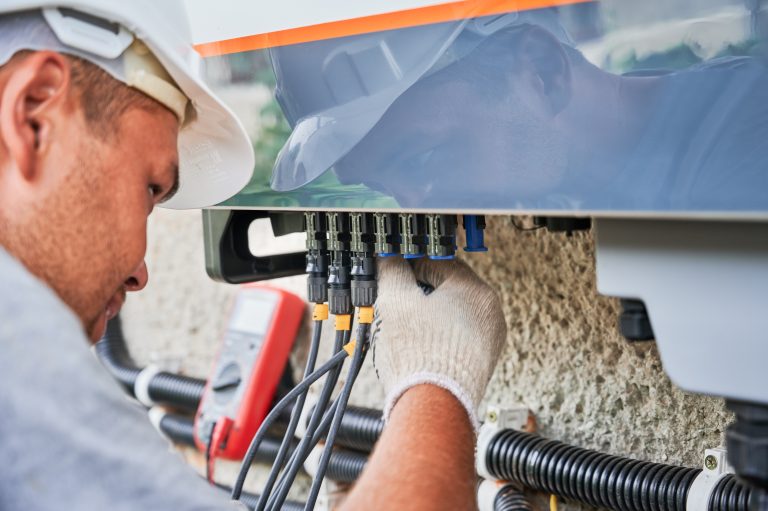
Gather What You Have. We Can Start There.
Look through the records you already have available. A few details can make the first conversation more useful:
- The panel and inverter brands, equipment model numbers and approximate installation date.
- The installation agreement, warranty documents and any available system drawings.
- Screenshots of alerts, the date the app last updated, and recent production history.
- A description of what changed, including any recent internet, electrical or roofing work.
Send what you have. Missing paperwork is something we can discuss; you do not need to open electrical equipment or get onto the roof to prepare for a call.
The U.S. Department of Energy’s existing-solar guidance recommends identifying the panel and inverter manufacturers and contacting a provider familiar with that equipment when the original installer is no longer in business.
First, Check Who Owns the Equipment
If your system is leased or supplied through a power purchase agreement, another company owns the equipment. Review the agreement and contact the named provider or current servicer before authorizing outside work.
Ask who handles maintenance, which repairs are included and what approval is needed. That helps establish the right service path before you incur a separate charge.
The Federal Trade Commission’s solar guide explains the ownership and service questions to review for purchases, leases and power purchase agreements.
An App That Stops Updating Is a Clue
A monitoring problem and a production problem need to be evaluated separately. Missing data can reflect a communication issue; the app alone does not establish whether the system has stopped generating.
Save the exact alert and note when the information last updated. If the change followed a new router, Wi-Fi password or internet outage, mention that too.
For example, Enphase’s gateway guidance addresses the network connection used to report system information. The checks and service steps depend on the equipment installed at your home.
Our job is to investigate the symptom and explain what the available information and testing establish.
A useful repair recommendation starts with a clear explanation of the problem.
What a Solar Diagnostic Visit Is Meant to Answer
Our licensed electricians begin with an on-site assessment to investigate why your solar system is not working correctly. Solar troubleshooting is a paid service, and we confirm the diagnostic visit charge and additional-time billing when you schedule.
The time required depends on your equipment, the symptoms, access and what we find during testing. We do not assume every fault can be identified within the first hour.
Depending on the system, the assessment may involve operating information, inverter alerts, monitoring connections, accessible wiring and the electrical equipment serving the solar installation.
Some questions can be answered during the visit. Others may require further testing, manufacturer input or information that was not available initially. We explain what has been established, what remains unresolved and the recommended next step.
Have a question about an existing solar system? Call Dollens Electric at (408) 929-6100.
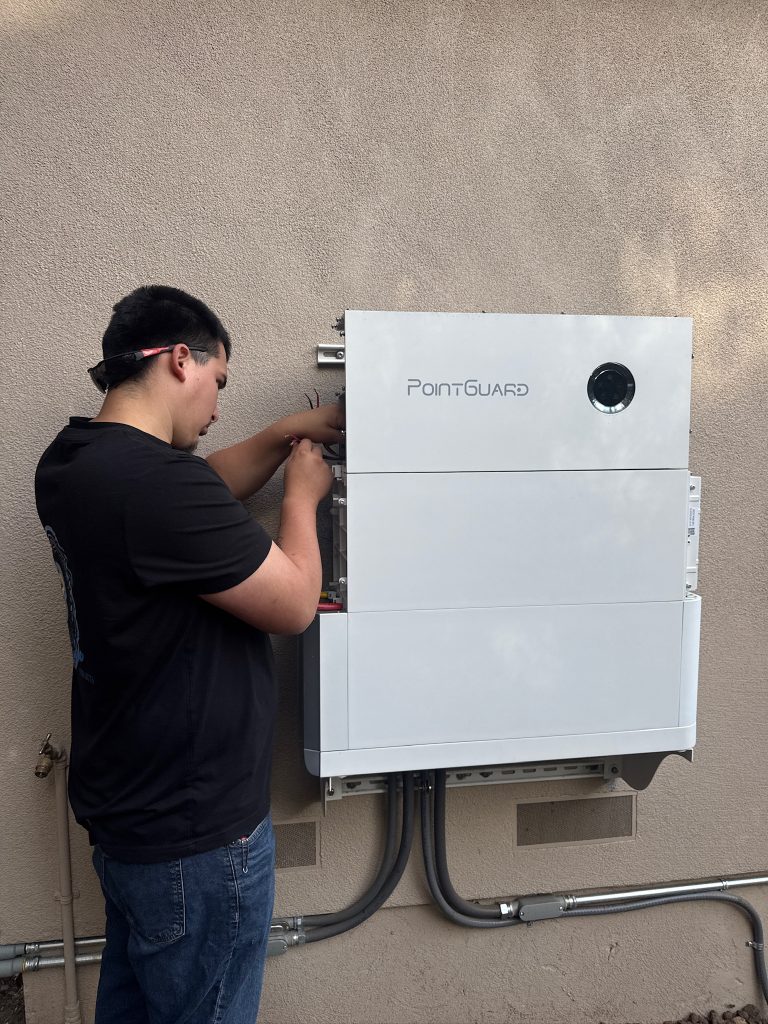
When Roof Access or Additional Testing Is Needed
Some solar problems require roof access or additional testing of the panels, wiring and related equipment. If further investigation is needed, we explain the recommended work, discuss any additional charges and obtain your approval before proceeding.
The next step should have a reason you can follow: what needs to be checked, why that check matters and how the result will help guide the repair.
What Happens to the Warranty?
Review equipment coverage and installation-workmanship coverage separately. The original company’s closure does not establish whether a particular component is still covered.
Check the warranty documents and ask the responsible company who handles a claim. Confirm whether diagnosis, parts and replacement labor are covered, and whether approval is required before work begins.
Warranty eligibility and payment depend on the applicable terms and claim decision. A manufacturer review may be one step in the service process.
The FTC’s solar guidance identifies equipment and workmanship warranties as separate items to review.
Understand the Findings Before Choosing the Repair
The recommendation should connect to what the assessment finds. That might mean addressing a monitoring connection, repairing an electrical fault, seeking manufacturer guidance or evaluating replacement equipment.
If replacement is recommended, we explain what component is involved and the compatibility or availability questions that need to be resolved. A discussion about one failed part should clearly identify whether other work is also necessary.
You should understand the proposed scope and price before authorizing repairs. You can also ask which items address the current problem and which are separate improvements you may choose to consider later.
Know What Was Completed and What Comes Next
After approved work, we explain what was repaired, what operation was checked and whether further action is recommended. If a manufacturer decision, replacement part or follow-up visit is still needed, that should be clear.
Keep the service findings, invoices and equipment information with your original solar records. A useful service history gives the next conversation a better starting point, whether it is about a new alert or planning for the future.
The Dollens Gold Standard
Service With Integrity
For us, that means taking time to understand the equipment, explaining what we find and making the next recommendation understandable. You should know what is being proposed, what it will cost and what still needs to be confirmed.
Need Help With Existing Solar in San Jose or the South Bay?
Tell us the equipment brand if you know it, what has changed and whether your original installer is still available. We will review the service request and discuss the next step, including the diagnostic visit charge.
From our family to yours.
Homeowner Resources
U.S. Department of Energy: Understanding an Existing Solar System
Equipment records, production information and finding help when the original installer has closed.
Federal Trade Commission: Solar Power for Your Home
Ownership, service agreements and warranty questions.
Enphase: Gateway Reporting and Connectivity
A manufacturer example of monitoring connection guidance.
Sources reviewed . Equipment, ownership agreements and service findings determine the appropriate next steps.