
Standby Generator • Automatic Transfer Switch • Home Backup Power
Standby Generator Installation in San Jose
A standby generator is more than an appliance outside the house. It has to be sized around the loads, connected through the right transfer equipment, coordinated with the electrical panel, placed correctly, permitted and tested as one backup-power system.
Load Planning • Transfer Switches • Panel Integration • Permits • Startup Testing
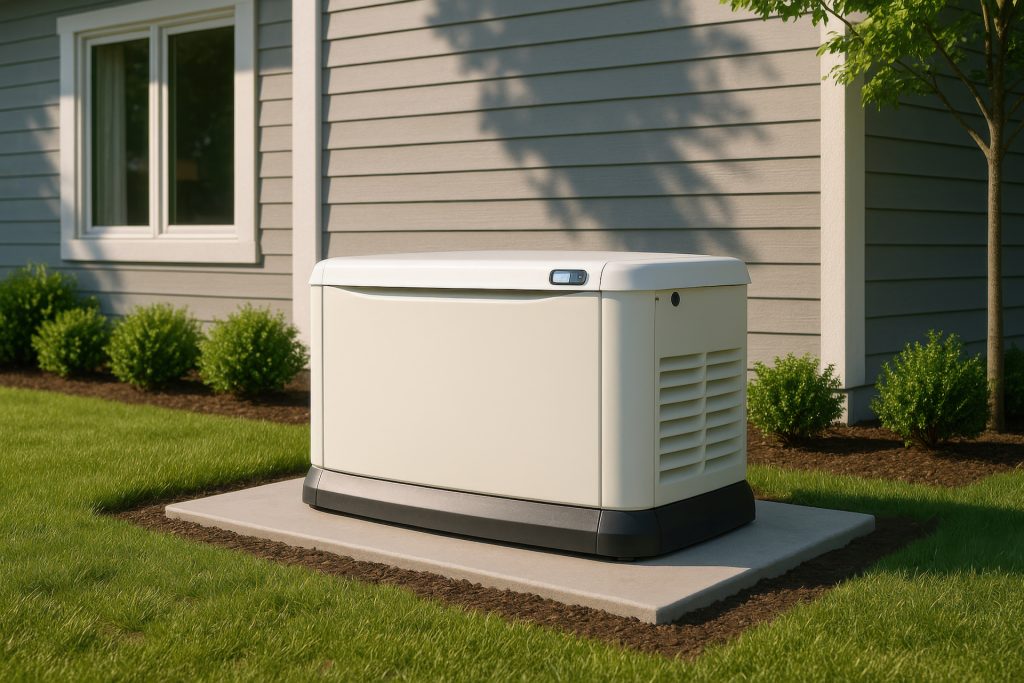
Who Standby Backup Is For
Plan Around What You Actually Need During an Outage.
A generator should be selected after deciding which loads matter, how automatic you want the system to be, and how the home is already wired.
Frequent Utility Outages
For homeowners who want a permanently installed backup source ready when grid power is unavailable.
Critical Home Loads
Refrigeration, lighting, communications, pumps, selected HVAC and other priority circuits can be planned around the system.
Automatic Operation
An automatic transfer switch can move the home between utility and generator power without a portable-generator setup.
Longer-Duration Backup
Generator backup can make sense where fuel-supported runtime is a higher priority than battery-only storage.
Generator Sizing Starts With Loads
Whole-Home Backup and Critical-Load Backup Are Not the Same Design.
Generator capacity, transfer equipment and panel configuration should follow the loads you expect to operate during an outage.
Prioritize the Essentials
Selected circuits can be grouped around refrigeration, lighting, internet, pumps and other priority equipment.
Support More of the Home
Broader backup requires review of simultaneous loads, HVAC, cooking, pumps and other high-demand equipment.
Plan for What Comes Next
EV charging, heat pumps, remodels and other electrification projects should be considered before generator sizing is finalized.
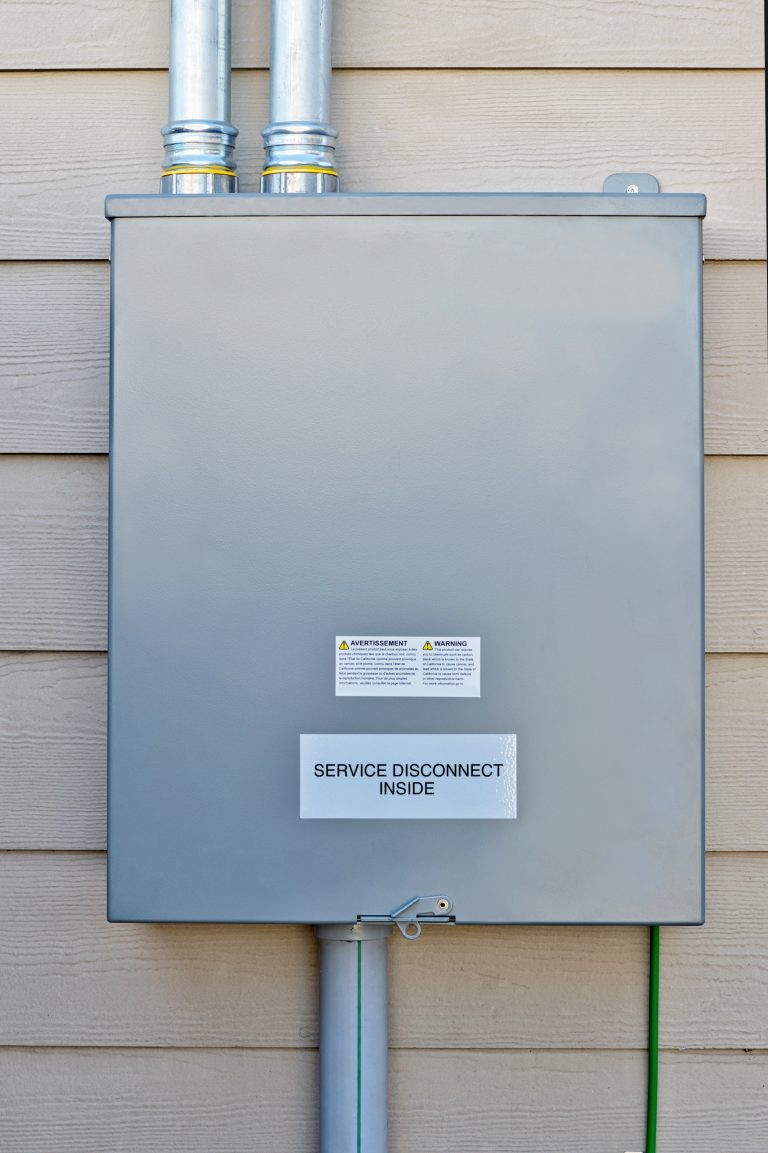
Automatic Transfer Switch
The Transfer Equipment Is What Connects the Generator to the Home Safely.
A permanently installed standby generator uses transfer equipment to separate utility power from generator power and route backup power to the approved loads.
Dollens Electric reviews the main service, transfer-switch location, feeder arrangement, breaker space, grounding/bonding requirements and whether a critical-load panel or other configuration is appropriate.
Backup power starts at the electrical panel. That is where the generator and the house become one system.
Placement & Fuel Planning
The Generator Needs the Right Location Before the Electrical Work Is Finalized.
Clearances, exhaust, access, noise, fuel supply, transfer-equipment location and local requirements all affect placement.
Generator Location
Placement must account for manufacturer clearances, service access, nearby openings and a practical route to the electrical equipment.
Fuel Supply
The selected generator and site determine the fuel requirements. Gas plumbing is coordinated with appropriately licensed trade partners when required.
Noise & Access
Home layout, neighboring properties, maintenance access and the visibility of the equipment should be considered before installation.
Generator + Main Panel
A Standby Generator Does Not Automatically Mean You Need a Bigger Electrical Service.
The existing panel and service should be evaluated for condition, available space and how the generator will be integrated. Some projects require panel modifications or replacement. Others do not.
We keep the generator installation and the panel decision separate until the electrical design shows what is actually required.
Main Electrical Panel Upgrades →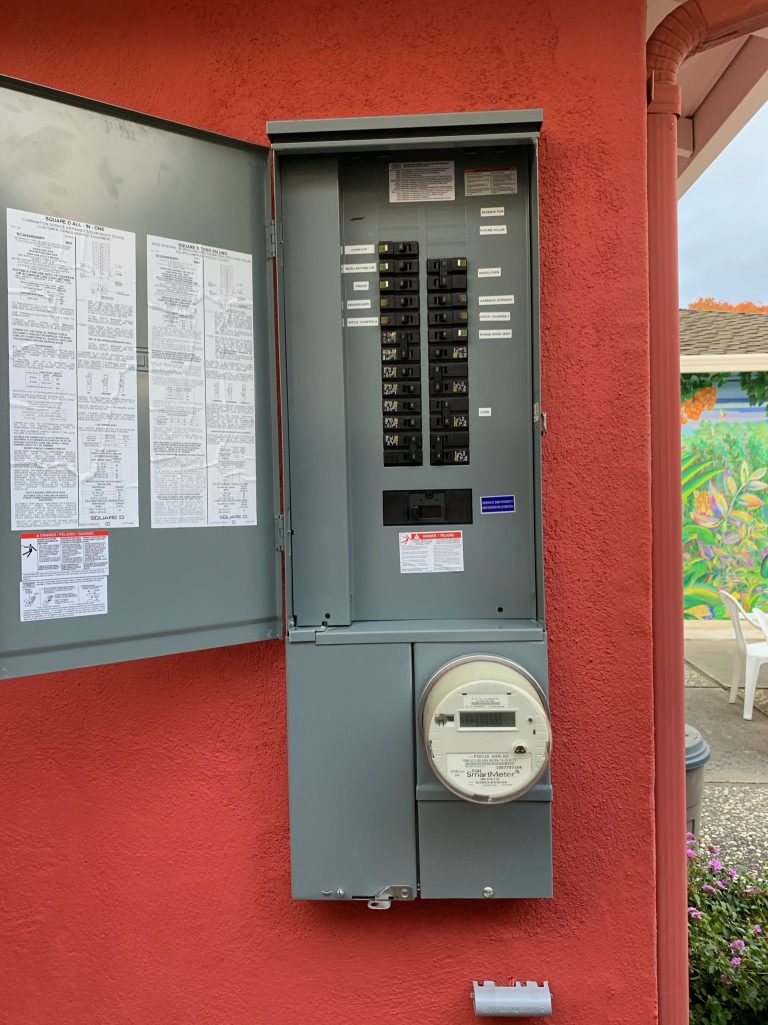
Installation Process
How a Standby Generator Project Moves Forward
The current Dollens generator page already includes load assessment, permits, installation, transfer equipment and final testing; this version organizes those steps into one clean homeowner path.
Assess
Review outage goals, priority loads, panel condition, site layout, fuel considerations and future electrical plans.
Design
Choose the generator strategy, transfer equipment, backup-load configuration and electrical integration.
Permit & Install
Coordinate applicable permits, electrical installation, trade coordination and inspection requirements.
Test & Commission
Verify transfer operation, startup, connected-load behavior and the completed backup-power configuration.
Project Pricing
What Affects Standby Generator Installation Cost?
The generator itself is only one part of a complete installed system.
Generator Size
Capacity and output requirements change with the loads you plan to operate and whether the design is essential-load or broader backup.
Electrical Integration
Transfer equipment, panel work, feeder routing, critical-load configuration, disconnects and service-equipment changes affect scope.
Site & Trade Work
Equipment placement, pad/location work, fuel coordination, permitting, inspection and physical routing all influence installed cost.
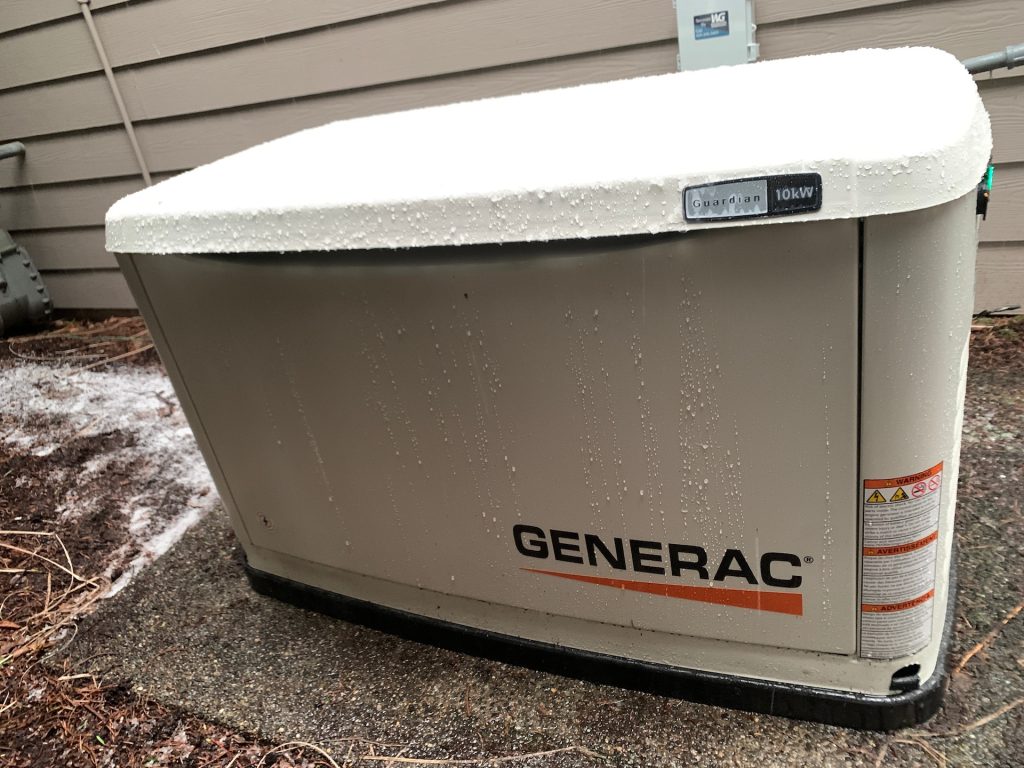
Standby Generator Equipment
Generator + Transfer Equipment + Panel Have to Be Designed Together.
The current Dollens generator page shows a residential Generac installation and describes electrical integration for Generac, Kohler, Cummins and customer-supplied systems.
Brand matters, but the larger issue is whether the selected equipment fits the load plan, transfer strategy, panel, available site and permitted electrical design.
Why Dollens Electric
Backup Power Is an Electrical-System Project.
The generator only works correctly when the transfer equipment, panel, loads and installation details are coordinated.
C-10 Electrical
Generator installations depend on service equipment, feeders, transfer switches, panels, breakers, grounding and load planning.
Whole-Home Power Experience
We also work with panels, solar, batteries, EV charging and other major residential loads, which helps when systems overlap.
Right-Size the Scope
We separate necessary generator work from optional upgrades so the design follows the home rather than a preselected package.
Homeowner Feedback
A Generator Project Has Several Moving Parts.
★★★★★“Dollens installed a standby generator for our home after multiple outages. Their crew handled everything—from permits to final testing—with professionalism and care.”
Olivia C. — Los Gatos homeowner
Related Home-Power Planning
Generator Backup Is One Part of the Home-Power System.
Local Generator Installation
Standby Generator Installation in San Jose & Santa Clara County
Dollens Electric serves homeowners throughout San Jose and nearby South Bay communities, including Campbell, Santa Clara, Cupertino, Sunnyvale, Los Gatos, Saratoga, Milpitas and Mountain View.
Generator installation is site-specific. The home, electrical service, load plan, equipment location and fuel coordination all need to be reviewed before the final installation scope is set.
Common Questions
Standby Generator FAQs
How is a standby generator different from a portable generator?
A standby generator is permanently installed and can be integrated with automatic transfer equipment. Portable-generator setups use a different connection and operating strategy and are normally manual.
Do I need whole-home backup?
No. Some homes are better served by a critical-load design that prioritizes selected circuits. The right approach depends on the loads you want to run and the generator capacity.
What does an automatic transfer switch do?
Transfer equipment separates utility and generator power and routes backup power to the approved loads. The exact configuration depends on the generator, service and backup strategy.
Do I need a new electrical panel for a standby generator?
Not automatically. Panel condition, available space, service configuration and the transfer design determine whether panel modifications or replacement are actually needed.
Can a generator run my air conditioner?
Potentially, but HVAC can be a significant load. Generator output, equipment startup characteristics and the rest of the connected loads need to be considered during sizing.
Who handles the gas connection?
Dollens Electric handles the electrical integration and coordinates fuel-related work with appropriately licensed trade partners when the project requires it.
Do you handle permits and inspections?
The current Dollens generator scope includes applicable permit handling and inspection coordination for the approved installation.
Can I compare a generator with battery backup?
Yes. Generator and battery systems solve backup-power needs differently. Outage duration, loads, solar, fuel availability, automatic operation and energy goals should all be considered.
Plan the Backup System Before Choosing the Box
Thinking About a Standby Generator?
Tell us what you want powered during an outage, what major loads are in the home, and whether you are also planning solar, battery, EV or panel work.