
Level 2 Charging • Load Calculations • Permits • Panel-Safe Installation
EV Charger Installation in San Jose
Home EV charging should start with the electrical system, not just the charger. Dollens Electric evaluates available capacity, circuit routing, charger requirements and future loads before installing a residential Level 2 charging circuit.
Dedicated Circuits • Hardwired Chargers • Load Management • Panel Evaluation
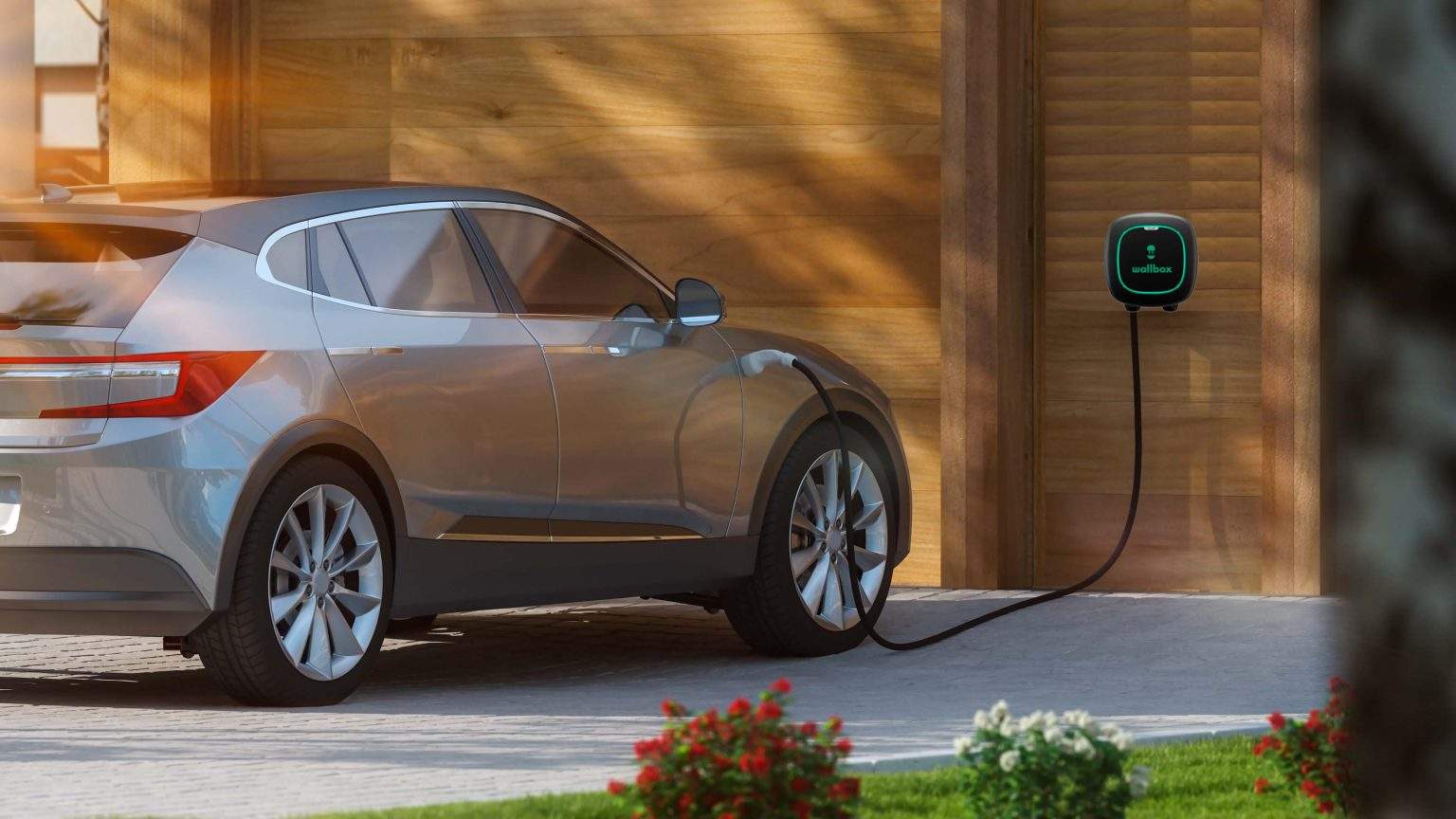
Who Home EV Charging Is For
Charge at Home Around Your Driving — Not Around a Public Charger.
A properly installed Level 2 charger can make overnight or routine at-home charging much more practical than relying on a standard household receptacle.
Daily Commuters
Recharge regularly at home instead of making public charging part of the daily routine.
Two-EV Households
Plan circuit capacity and charging strategy around current and future vehicles instead of treating each charger separately.
New EV Owners
Have the home's electrical capacity reviewed before choosing charger amperage or assuming a panel upgrade is necessary.
Future Electrification
Consider EV charging alongside battery storage, heat pumps, remodels and other loads that may affect the home later.
Before the Charger Is Installed
Does Your Electrical Panel Have Capacity for EV Charging?
An EV charger is a significant continuous electrical load. Before the circuit is designed, Dollens Electric reviews the electrical service, panel rating, existing loads, breaker space, charger specifications and the charging rate being considered.
Many homes can support EV charging without replacing the main panel. Others may need load management, a different charging rate, panel work or a service upgrade. The decision should come from the electrical calculation and installation conditions.
Main Electrical Panel Upgrades →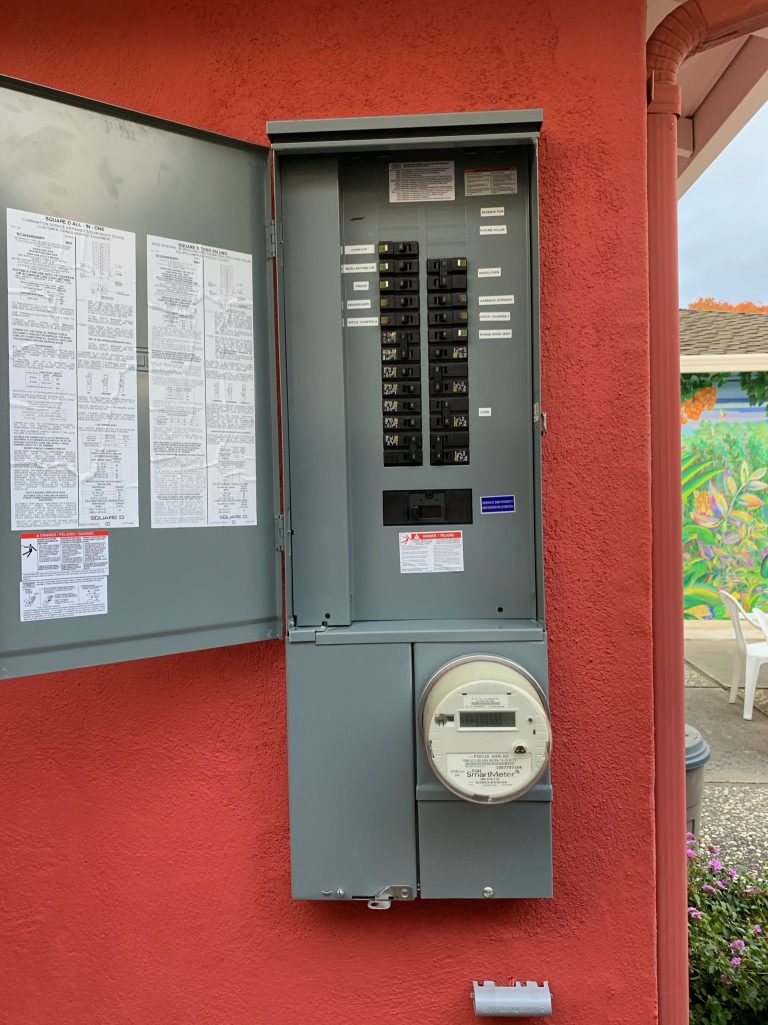
Panel Upgrade Is Not the Only Option
Three Ways an EV Charging Project Can Fit the Home.
The right solution depends on service capacity, charger requirements, household loads and how fast you actually need to charge.
Use Existing Capacity
If the panel and service can support the proposed load, install the appropriate dedicated circuit and charger without changing the main service.
Use Load Management
Compatible energy-management equipment may allow EV charging to operate within the home's available capacity instead of automatically increasing service size.
Upgrade the Electrical Service
If the existing service cannot reasonably support the desired charging load and other planned loads, a panel or service upgrade may be the better long-term path.
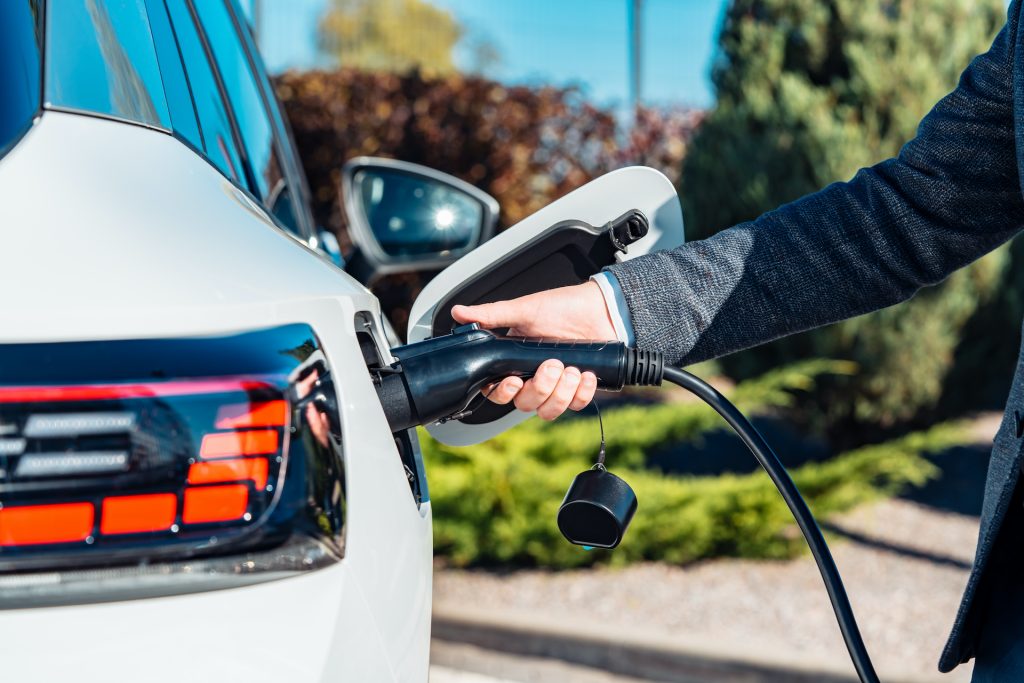
Hardwired Charger or Receptacle?
The Charger, Circuit and Connection Method Should Be Designed Together.
Some home chargers are designed to be hardwired. Others can use an approved receptacle configuration. The installation method affects circuit sizing, equipment, protection requirements, placement and future serviceability.
Dollens Electric follows the charger manufacturer's installation requirements and the applicable electrical code rather than treating every EV charging installation as the same generic outlet.
Charger Selection
Choose the Charger After You Know What the Home Can Support.
Vehicle compatibility matters, but so do circuit capacity, connector type, charging rate, cable reach, outdoor rating, smart features and load-management capability.
Tesla Wall Connector
A common residential option for Tesla and compatible vehicle charging configurations. Installation requirements depend on the selected setup.
ChargePoint Home Flex
A connected Level 2 charger option that can be installed according to the circuit and electrical capacity available at the home.
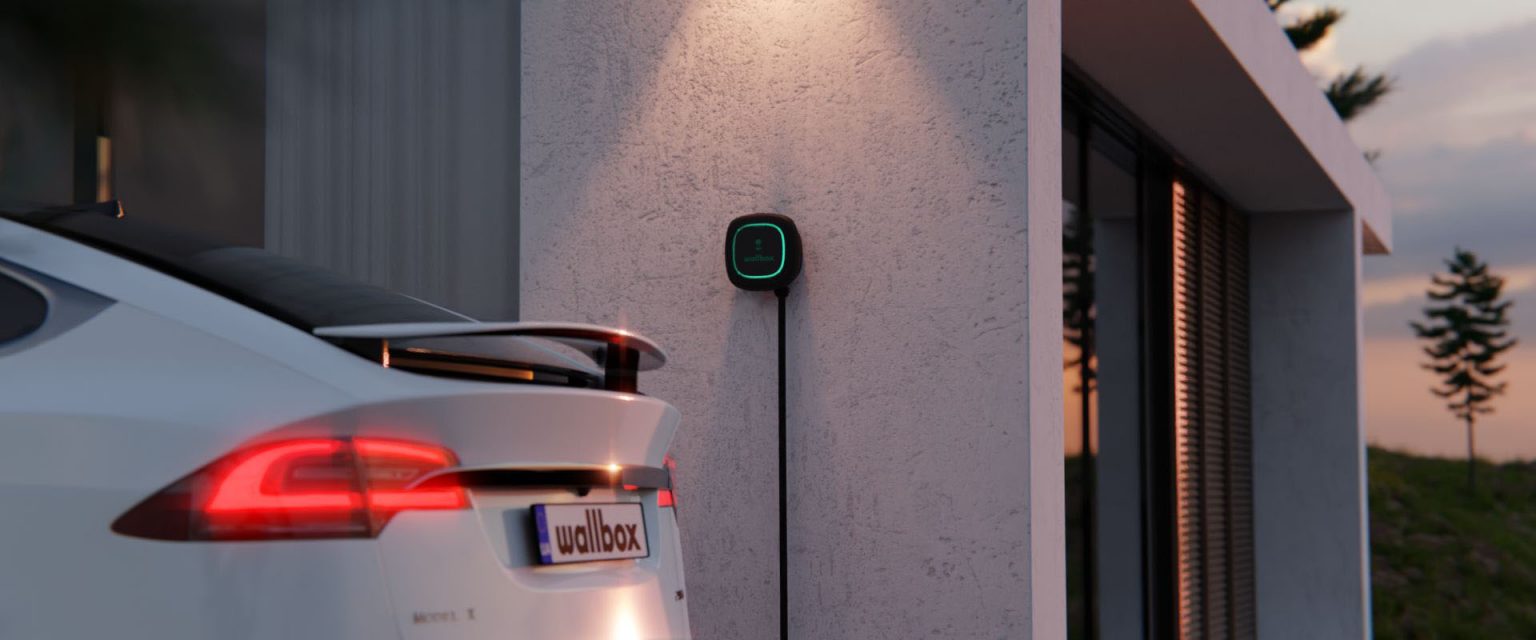
Wallbox Pulsar Plus
A compact smart-charging option that can be considered where supported load-management features fit the project.
Permits & Inspection
EV Charging Is a Permanent Electrical Installation.
Residential Level 2 charging typically involves a new or modified dedicated branch circuit and may require permitting and inspection based on the jurisdiction and project scope.
Dollens Electric handles the electrical scope, permit coordination and inspection path for the approved project. Condos, townhomes and shared parking arrangements can require additional HOA, access or common-area coordination.
The goal is a charging installation that is documented, serviceable and appropriate for the home's electrical system.
Installation Process
How a Home EV Charger Installation Moves Forward
Review
Confirm the vehicle/charger, desired charging rate, panel, service, existing loads and charger location.
Design
Determine circuit size, route, connection method, load-management needs and whether any panel work is actually required.
Permit & Install
Complete applicable permit steps and install the dedicated circuit, wiring, protection and charging equipment.
Test & Inspect
Verify operation, complete inspection coordination when required and review normal charger use with the homeowner.
Installation Cost
What Affects EV Charger Installation Cost?
The distance from the panel matters, but it is not the only cost driver.
Circuit Route
Panel-to-charger distance, conduit, attic or crawlspace access, exterior routing, trenching and finished surfaces affect labor and materials.
Electrical Capacity
Available service capacity, breaker space, charging amperage and whether load-management or panel work is needed affect scope.
Equipment & Site
Hardwired vs. receptacle configuration, indoor/outdoor location, charger model, permits and HOA/common-area requirements can change the project.
Residential EV Charging
One Charger. One Dedicated Circuit. One Electrical System Behind It.
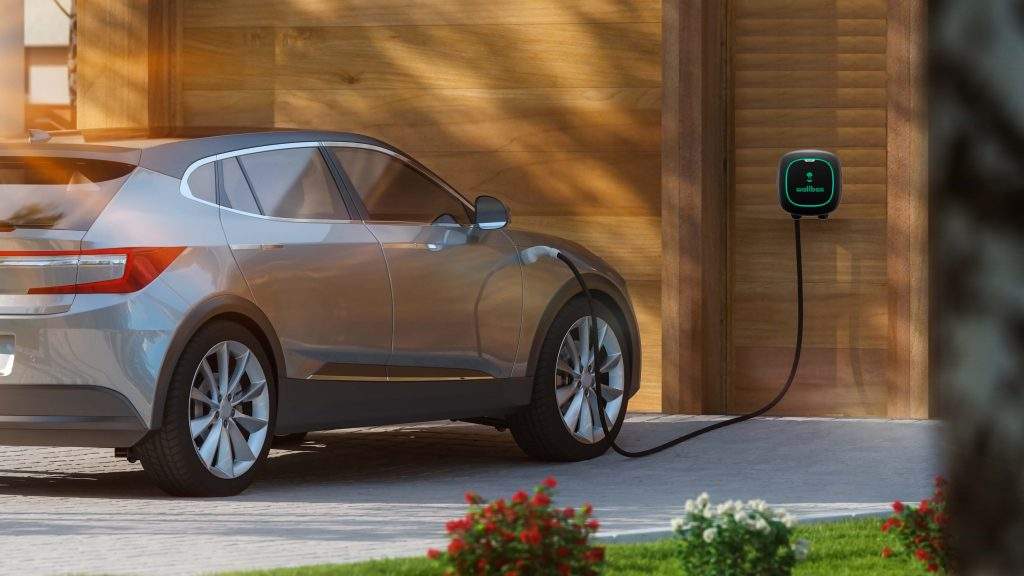
A clean EV charger installation is the visible end of the project. Behind it are the load calculation, breaker, conductor size, circuit route, equipment connection and panel capacity that make the charger practical to use every day.
That is why Dollens approaches EV charging as residential electrical work first.
Already Have a Charger?
Charger, Plug or Breaker Overheating?
Stop using charging equipment that is producing a burning odor, visible heat damage, repeated breaker trips, sparking or an unusually hot connection. EV charging is a sustained electrical load, so overheating should be diagnosed rather than ignored.
Emergency Electrical Service →Why Dollens Electric
An EV Charger Is Part of the House Electrical System.
The charger is only as good as the circuit, panel capacity and installation behind it.
C-10 Electrical
We evaluate the service, panel, circuit, protection and wiring rather than treating the charger as a standalone accessory.
Panel + Load Experience
When a home is near its electrical capacity, we can evaluate load management and panel options without assuming the most expensive path.
Future-Ready Planning
Solar, battery storage, generators, heat pumps and future EVs can all affect the same electrical service. We plan with that bigger picture in mind.
Homeowner Feedback
EV Charger Work Should Be Straightforward and Well Explained.
★★★★★“Could not ask for better. Jason installed a 40 amp EV charger and even fixed a hazardous panel left by another contractor.”
Maggie B.
★★★★★“Installed our 240V outlet with precision. Prompt, professional, and highly recommend!”
Levy Z.
★★★★★“Knowledgeable and easy to work with. Explained everything clearly.”
Lauren C.
Related Electrical Planning
EV Charging Often Connects to the Home's Next Electrical Project.
Local EV Charger Installation
EV Charger Installation in San Jose & Santa Clara County
Dollens Electric installs residential Level 2 charging throughout San Jose and nearby South Bay communities, including Campbell, Santa Clara, Cupertino, Sunnyvale, Los Gatos, Saratoga, Milpitas and Mountain View.
Garage, driveway, exterior, condo and townhome projects each have different routing and coordination issues. The site conditions and electrical system should be reviewed before the final installation scope is set.
Common Questions
EV Charger Installation FAQs
Do I need a panel upgrade for an EV charger?
Not automatically. The panel, service capacity, existing loads, desired charging rate and available breaker space should be evaluated first. Some homes can use existing capacity or compatible load-management equipment.
What is Level 2 home charging?
Level 2 charging uses a dedicated higher-voltage residential circuit and compatible charging equipment. The actual charging rate depends on the vehicle, charger and electrical circuit.
Should my EV charger be hardwired or plugged into a receptacle?
That depends on the charger, amperage, manufacturer instructions, location and applicable electrical requirements. Dollens Electric can determine the appropriate connection method for the selected equipment.
Can you install a Tesla Wall Connector?
Yes. Dollens Electric installs residential charging equipment including Tesla Wall Connector and other compatible Level 2 chargers.
Can load management help me avoid a panel upgrade?
In some homes, compatible load-management equipment can control EV charging so the added load stays within available electrical capacity. It is not appropriate for every project, so the service and loads still need to be evaluated.
Do EV charger installations require permits?
Permit and inspection requirements depend on the jurisdiction and project scope. Dollens Electric handles the applicable permit and inspection path for the approved installation.
Can you install an EV charger at a condo or townhome?
Potentially, yes. Shared electrical equipment, assigned parking, common areas, conduit routes, metering and HOA requirements can make these installations more involved than a typical single-family garage.
How long does an EV charger installation take?
Simple installations may be completed quickly, while long circuit routes, trenching, panel work, load-management equipment or permitting can add time. The site evaluation determines the actual scope.
Are EV charger rebates or tax credits available?
Programs change frequently and may depend on customer eligibility, equipment and location. Current utility, state and federal rules should be verified before relying on an incentive as part of the project budget.
Start With the Electrical System
Ready to Charge Your EV at Home?
Tell us which vehicle and charger you have or are considering, where you want the charger located, and whether you are planning any other major electrical loads.